‘Ella McCay’ a confounding film from James L. Brooks

Film fans like to lament, “they don’t make them like they used to,” specifically about the kinds of wry, life-affirming dramedies that director James L. Brooks perfected in the 1980s and ’90s, like “Terms of Endearment,” “As Good as It Gets” and “Broadcast News.”
Films of that tone and character are rarer and rarer these days, so it’s worth noting when a new one comes along. But as it turns out with Brooks’ deeply strange “Ella McCay,” he doesn’t make them like he used to, either.
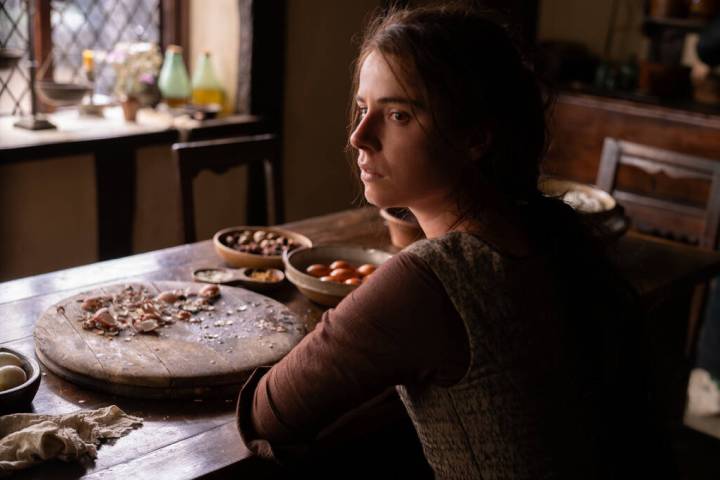
“Ella McCay” is a portrait of a lady on fire — from stress. The quirky, twitchy Ella (Emma Mackey) is the youngest lieutenant governor in her state, an awkward policy wonk serving under her mentor, Gov. Bill Moore (Albert Brooks).
When he’s tapped for “the Cabinet,” Ella gets the promotion that she craves, sworn in as the youngest female governor of her state, even as her family life descends into chaos. But Ella’s family life has always been chaotic, as we see in flashbacks to her teenage years, wherein our narrator describes how Ella experiences seeing other happy families as a stab in the heart.
Our narrator is Estelle (Julie Kavner), Ella’s secretary, who explains she’s also biased, claiming, “I’m nuts about her.” The year, by the way, is 2008, “when we could still talk to each other.”
So, Brooks has set this political film in the recent past, giving a wide berth to the third rail that is MAGA, but his shrinking away from political hot buttons just renders the whole gambit frustratingly vague and therefore meaningless.
Skirting the details is a cowardly move, frankly. It’s clear Ella’s politics are liberal, as she champions a bill designed to support parents and children in early childhood, but why play coy with the specifics?
All Ella wants to do is run her policy meetings, but the men in her life keep getting in the way. First there’s her dad (Woody Harrelson), an inveterate philanderer who would like to make amends — to please his new girlfriend. Then there’s Ella’s agoraphobic brother (Spike Fearn), over whom she frets. Then there’s her husband (Jack Lowden), a seemingly nice, if cocky, guy who suddenly starts to love the warmth of the spotlight as Ella ascends.
Again and again, Ella runs in circles trying to put out fires with these men without ever getting to her meetings, or doing the job she claims she loves so much (and when she finally does get to her meeting, it’s a flop).
The entire movie is about how men are always getting in the way of women’s work, but it’s not entirely clear that Brooks knows that this is what his film is about, as Ella happily embarks on pointless side quests with her dad and brother.
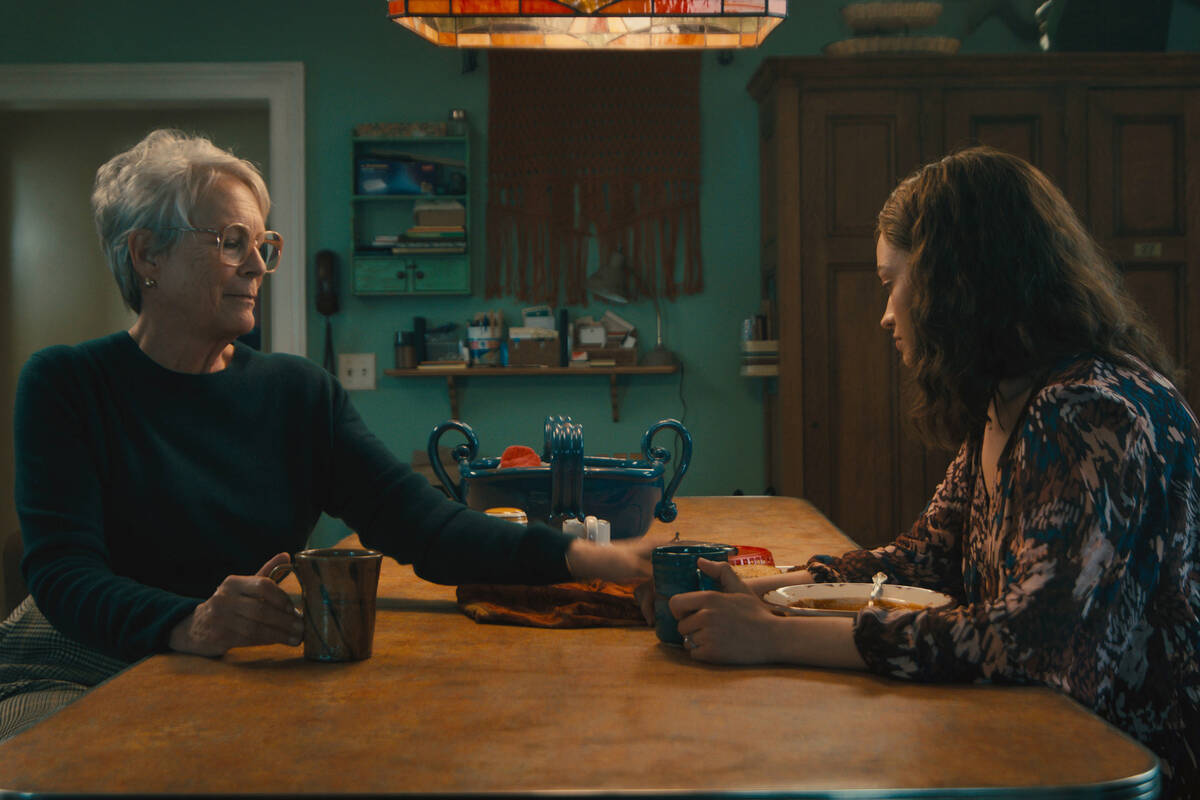
It never feels like Brooks has a grasp on the material, which careens aimlessly through Ella’s harried day-to-day, in a handsomely bland, serviceable style. The thread about Ella’s childhood trauma resulting from her parents’ messy relationship is lost. She has an unconventional family, but her aunt Helen (Jamie Lee Curtis), who helped raise her, is a fierce protector and confidant. Their relationship is fun to watch, so why bother with all these men and their inane storylines?
Ella finally realizes that a woman’s place is not in the capitol, but rather in the nonprofit sector.
What, exactly, is Brooks trying to say here? We spend two hours watching men mess things up for Ella and then she just accepts it and moves on. Even if the message weren’t profoundly weird, dramatically it falls flat, even if Estelle tries to tie it up with a positive final message — “the opposite of trauma is hope.” Whatever that means.
It’s apt that this closing phrase makes as much sense as the rest of the movie, which is to say, very little.