
5 Las Vegas food trends that need to die in 2026


Dubai, girl.
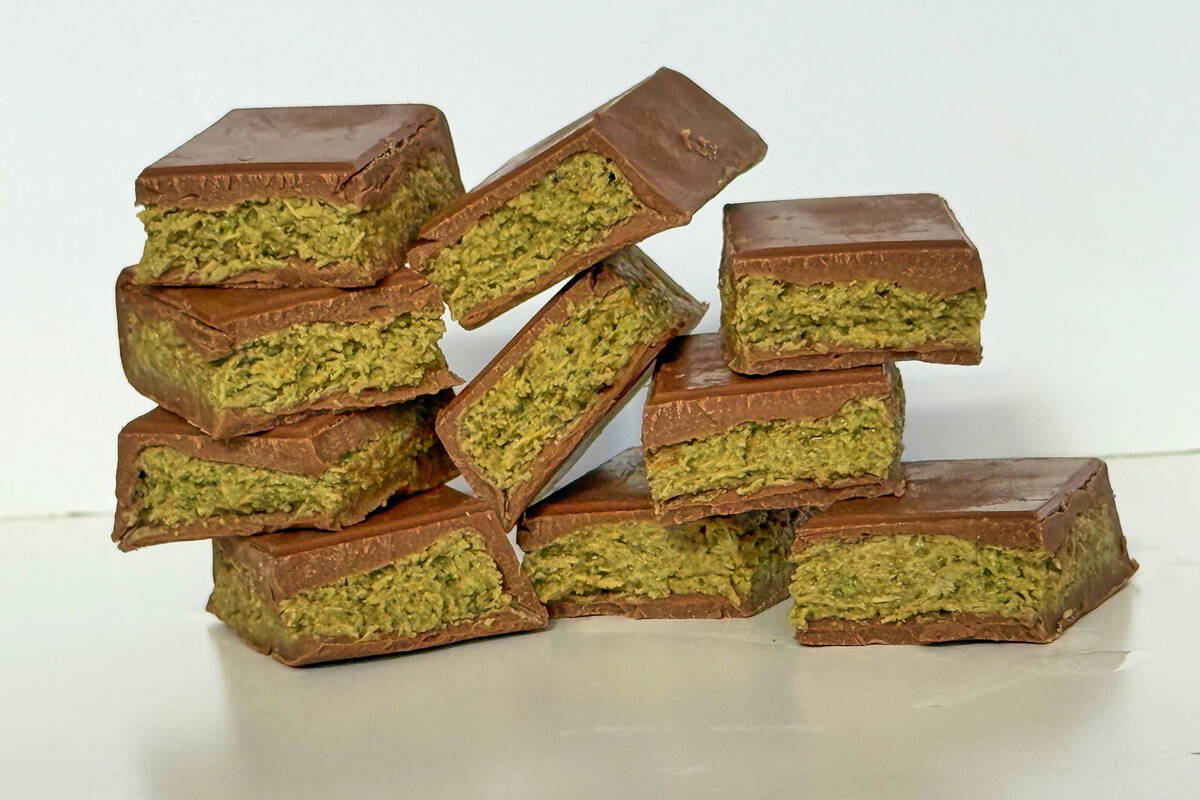
Dubai chocolate, the overhyped and overexposed chocolate bar featuring pistachio cream and the light crunch of shredded phyllo, leads our list of food and drink trends in Las Vegas that need to die in 2026.
The list is partly made in good humor, with the tongue planted firmly in cheek. But there’s a bit of bile here, too. The list recognizes the fact that, because of the pace of food and drink culture, new ideas easily become clichés, questionable or just plain annoying.
Take ube, flower walls and “curated.” Exactly.
You might consider these trends on the tumbril to be the new ube. Or not. That’s the great thing about taste: You’re entitled to opinions, even when you’re wrong.
Dubai chocolate
In 2021, a chocolatier in Dubai created the original bar stuffed with pistachio, tahini cream and knafeh slivers of phyllo. The bar nicely blended European confectionery tradition with Middle Eastern ingredients; the chocolate was something fresh and new.
And then an influencer got hold of Dubai chocolate, and the bar went viral. What happened next reflects the downside of virality, which drains innovation of its distinctiveness through widespread (and often misunderstood) imitation. Today, these imitators frequently feature inferior ingredients in bars, milkshakes, covered strawberries and other iterations. But buzz never substitutes for true longevity. Tarte tatin is eternal; Dubai chocolate is not. Are Cronuts looking good again?
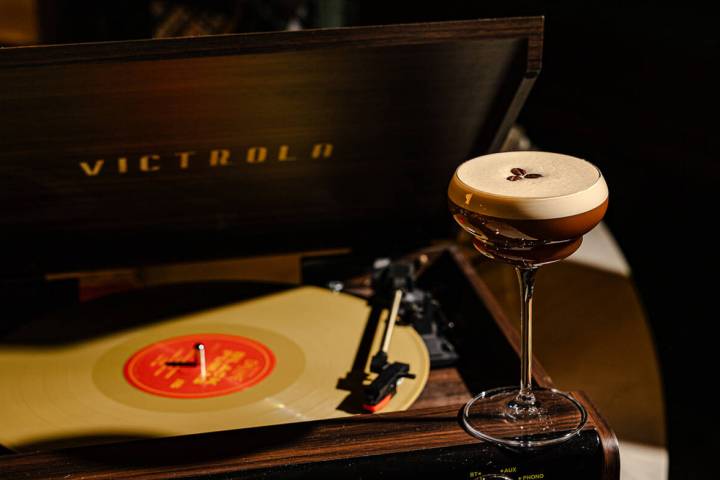
Espresso martinis
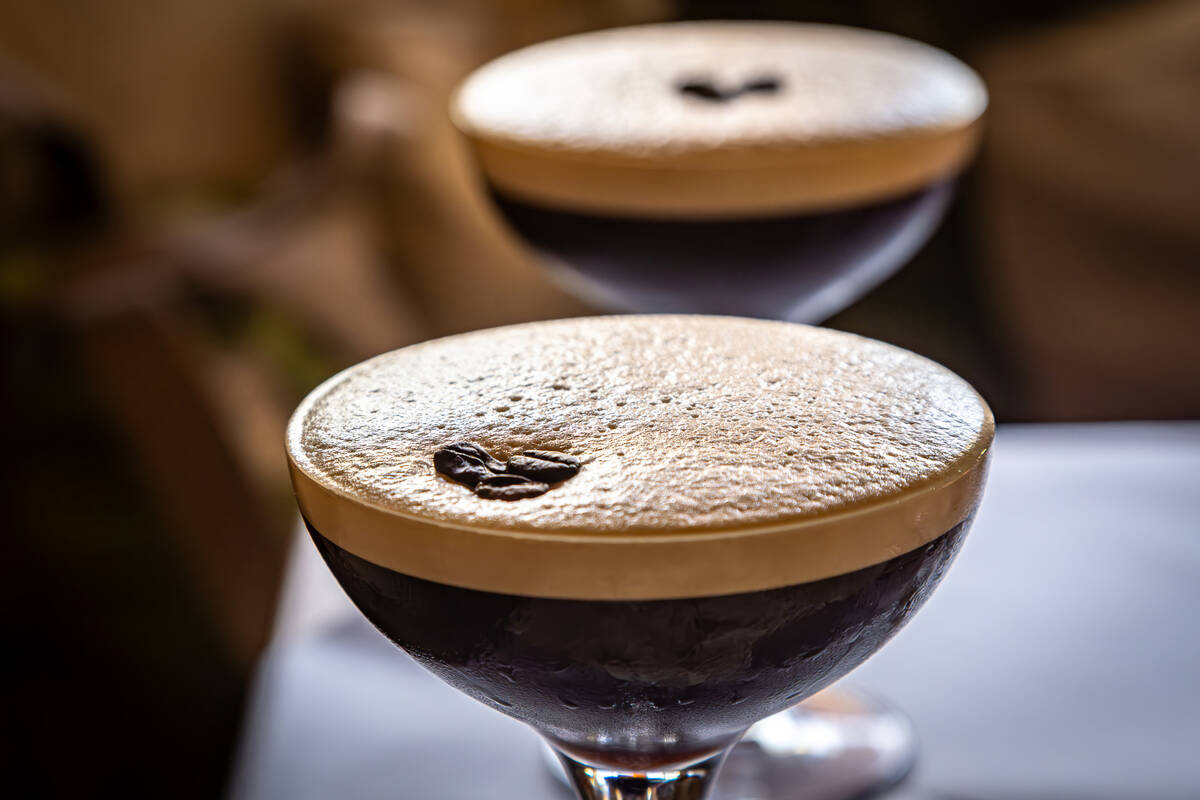
Somehow in the past few years, espresso martinis have returned from the 1990s, and Vegas has enthusiastically embraced this shake-up from the age of Britney, flannel shirts (shudder) and bowl cuts (ditto). Even bars you’d think were too cool (and too devoted to craft libations) have yielded to the trend.
At their best, espresso martinis offer a pleasing, gently sweet jolt from vodka, freshly brewed espresso and coffee liqueur. But when not at their best, which is far more common, the drink is a creamy, cloying affront. And always, espresso martinis carry more than a whiff of unseriousness, bachelorette party and nascent hangover. If we must do bibulous ’90s nostalgia, it’s time for a different pour. Midori sour, you’re up.
Pricey food trucks
Let us say right away that food trucks are hard work, a valuable part of the food and drink scene in Vegas and often purveyors of some remarkably good food given the constraints on preparation. At the same time, a food truck is not the same as a standard restaurant, even a casual spot. No disrespect.
But in the past few years, some food trucks have been asking prices that come nigh to restaurant charges, usually for involved dishes beyond food truck staples like tacos and slices. But you often have to wait in line at food trucks. Real tableware or a dining room with servers? Nope. Sometimes, trucks only take cash, not cards. All these things play into restaurant prices — and set restaurants apart from food trucks. Trucks should lean into their impromptu appeal but charge accordingly.
The water gambit
“Would you like still or sparkling water?” This question begins service at an increasing number of Vegas restaurants, and not just fine dining spots. But the choice doubles as a sales strategy. Either way, you’re committing to bottled water that might fetch $15 a bottle or more; all your refills will be bottled, too. If you like to hydrate, your water tab soon approaches your bar bill.
Some restaurants instruct servers not to offer free house (tap) water unless requested. In tough times, restaurants must maximize revenue, but the move still feels sneaky. Restaurants should always offer house water up front. Make up the difference by charging people more for soda. They shouldn’t be drinking that anyway.
Influencer disruption
Let’s put aside concerns, widely expressed in online media in 2025, about conflicts of interest among some Vegas food influencers (federal regulations require disclosure of paid deals) and their role in creating a culinary culture of hype in Vegas in which promotion cloaks itself as organic opinion.
Instead, let’s turn to that dinner you’re having at a nice restaurant, an experience more expensive than ever in Vegas. Suddenly, bright lights sweep across your branzino. A commotion ensues at the adjacent table: primping, posing, arranging dishes, chattering about camera angles, more illumination from tabletop ring lights. Ugh. Food influencers are conducting rowdy content creation in the middle of dinner service, and you’re an unwilling participant.
Basta! Restaurants should immediately curb influencer excesses. No amount of social media exposure is worth rankling real customers, especially regulars. Besides, most influencers don’t know the difference between branzino, Barolo and baba ghanoush anyway.
Contact Johnathan L. Wright at jwright@reviewjournal.com. Follow @JLWTaste on Instagram.