‘Prehistoric Planet: Ice Age’ on Apple TV reveals surprising creatures

If you’ve seen any of the “Ice Age” animated Disney movies, we have some bad news: You don’t know the real ice age.
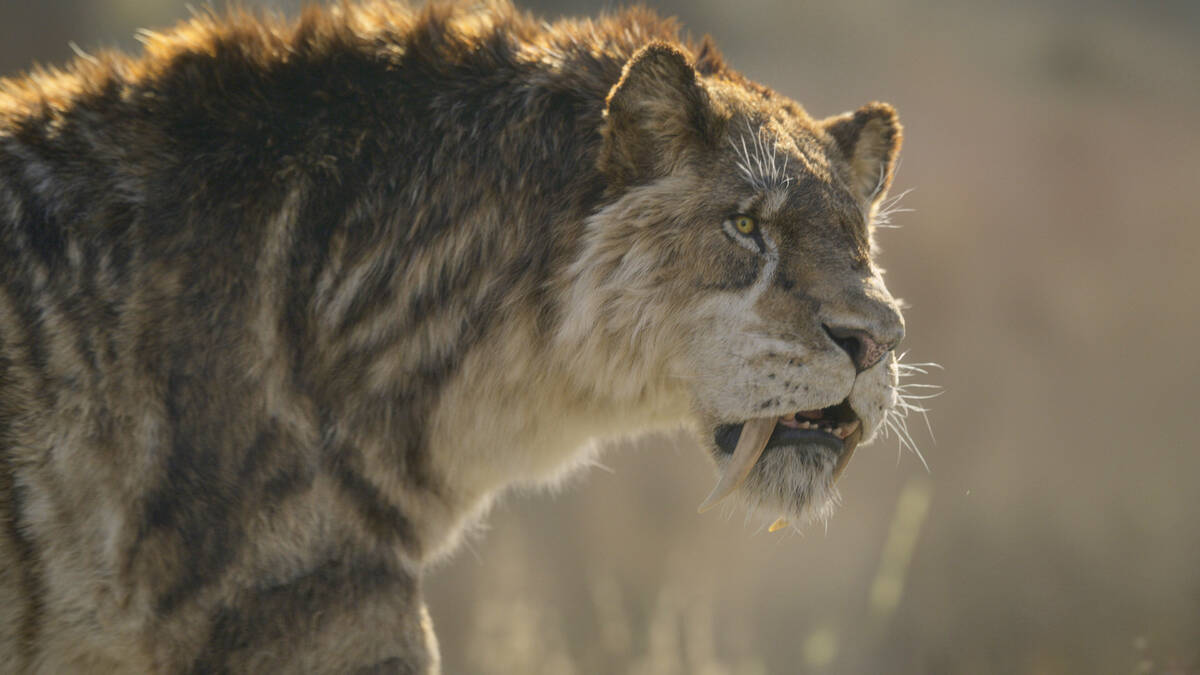
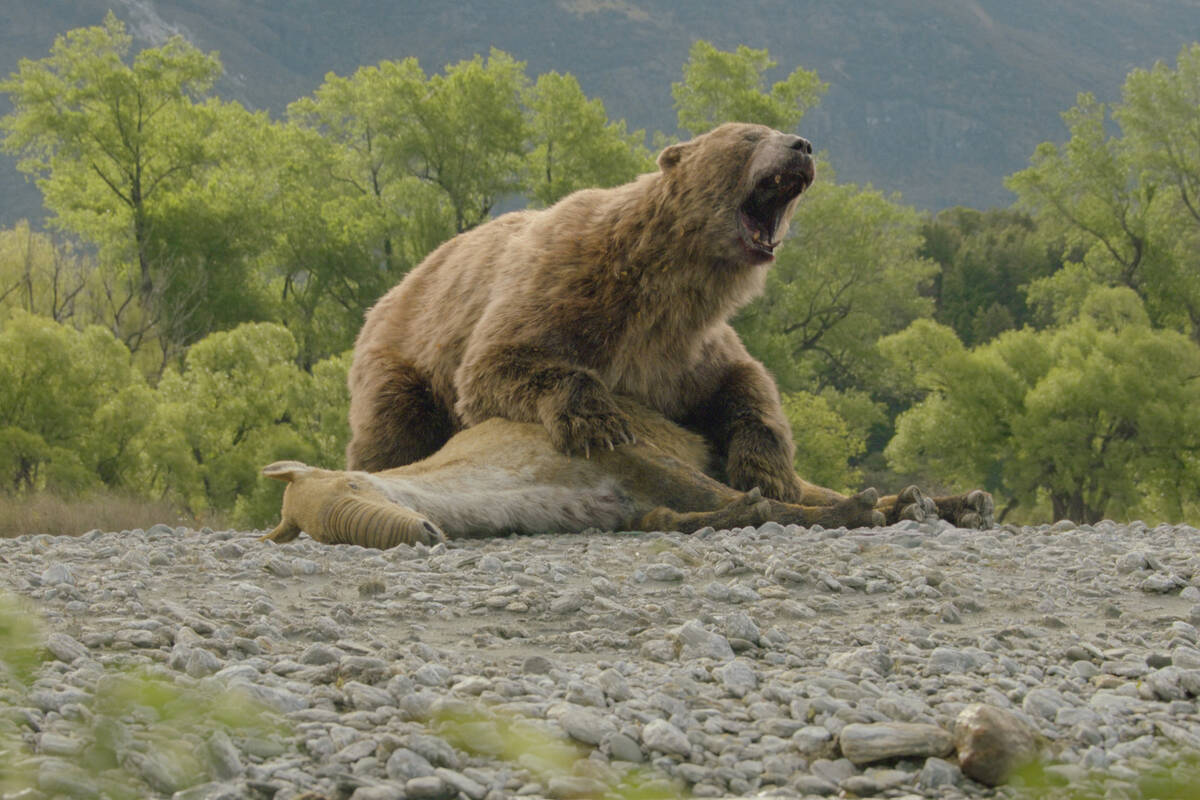
It was an incredible time when the Earth was going through immense systemic changes and was filled with often nightmarish creatures — carnivorous kangaroos, 14-foot-tall bears and armadillos bigger than cars. Sid the sloth’s eyes would bulge even more.
A hyper-realistic picture of life during that Pleistocene era emerges with Apple TV’s five-part, computer-driven “Prehistoric Planet: Ice Age,” which takes place millions of years after the dinosaurs’ extinction.
“Nobody’s made a natural history representation of these creatures behaving and interacting in the way that we have in this series,” says Mike Gunton, co-executive producer and senior executive at the storied BBC Natural History Unit.
‘What’s that animal?’
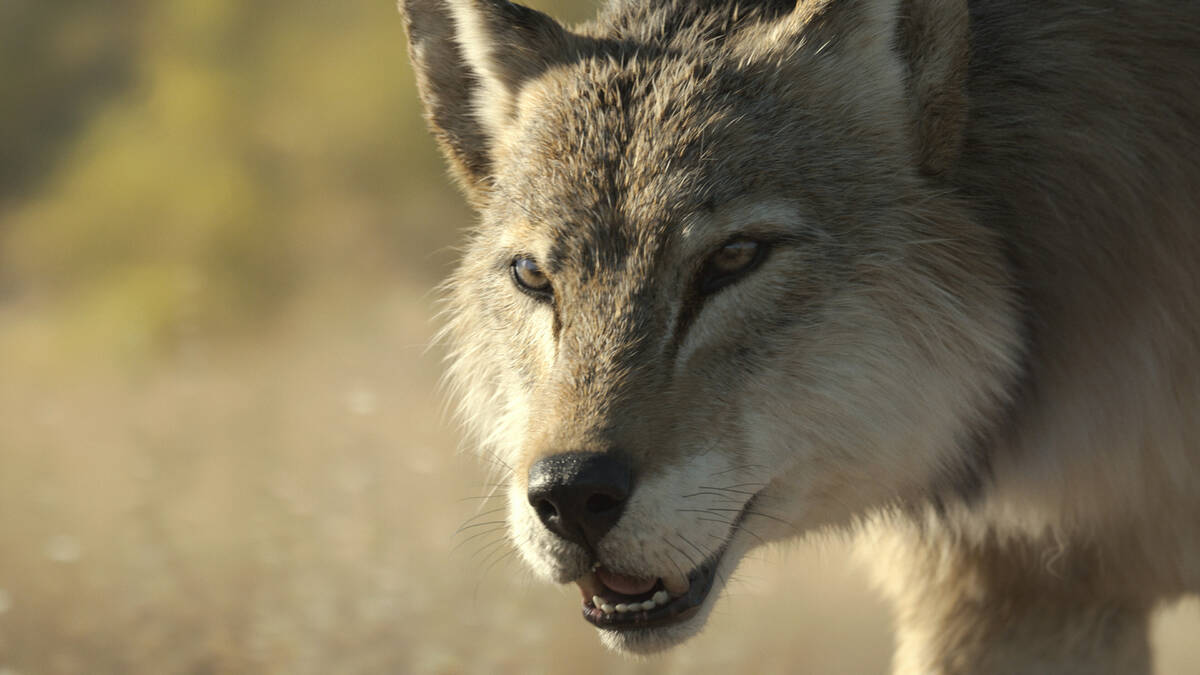
This is the third chapter in the “Prehistoric Planet” series, blending cinematic storytelling with photorealistic visual effects and the latest scientific knowledge to give viewers a treat: Nostrils flare, fur is rustled by howling winds and eyelashes twitch.
“Within one second of turning the show on, I do not want people to think, ‘Oh, it’s a CGI show.’ I want them to think, ‘Oh my gosh, what’s that animal? Where did they film that?’ ” Gunton says.
The series is narrated by Golden Globe and Olivier Award winner Tom Hiddleston, with an original score by Hans Zimmer, Anže Rozman and Kara Talve from Bleeding Fingers Music. Jon Favreau is co-executive producer.
“I was very struck by the photorealism we were able to achieve in both of those projects and this seemed like a really good application for using realism in both animation and environmental design and render to create the illusion that you’re actually looking at something real and to apply it to dinosaurs and ice age megafauna,” he says.
Gunton, who has produced such nature shows as “Hidden Kingdoms” and “The Green Planet,” turned to the topic of the ice age more than three years ago after wrapping up two dino-filled previous chapters and quickly learned he had a lot to learn.
“I was thinking, ‘Well, this is all going to be ice and woolly mammoths and mastodons and saber-tooth tigers,’ ” he says. What he found out was there wasn’t just one ice age but a series of eight, and while as much as a quarter of Earth’s landmass was covered by ice, the rest was becoming arid and desert, changing animals’ evolution.
A foot-tall elephant?
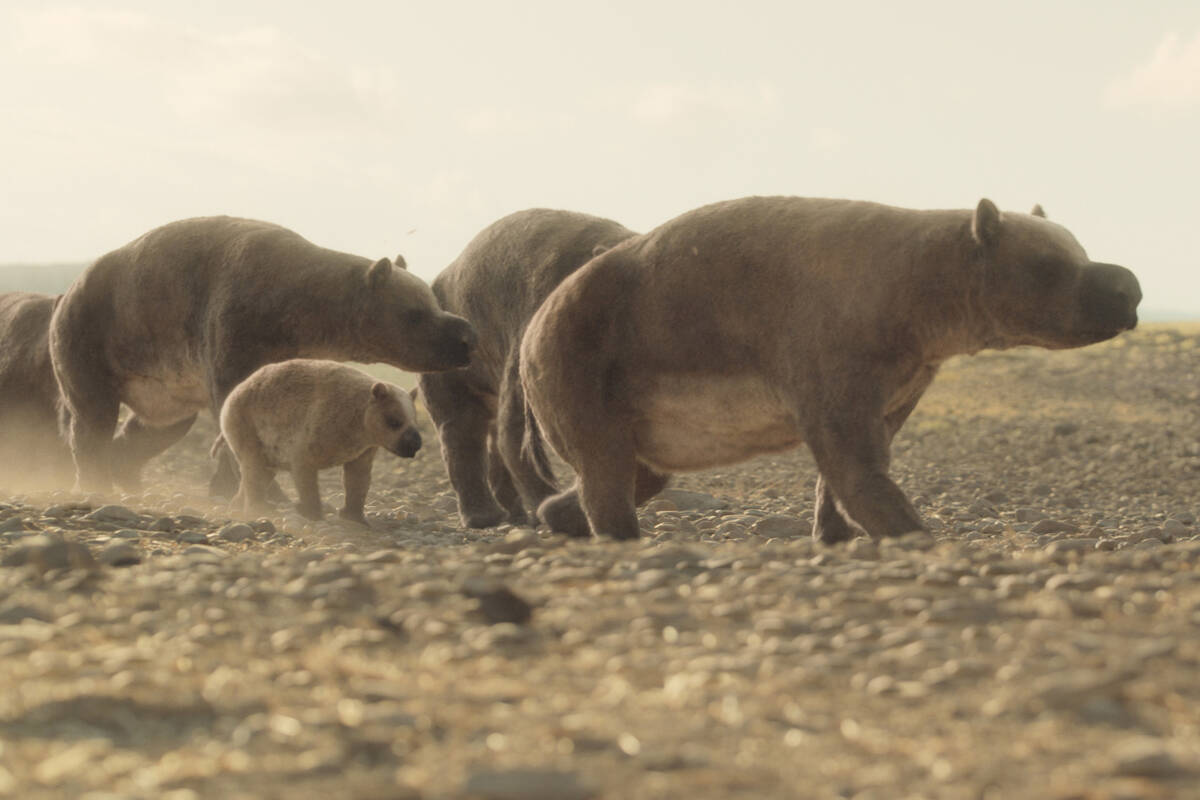
There were Diprotodons, rhino-sized relatives of wombats and the largest marsupials of all time. There were giant short-faced kangaroos and 14-foot-tall bears.
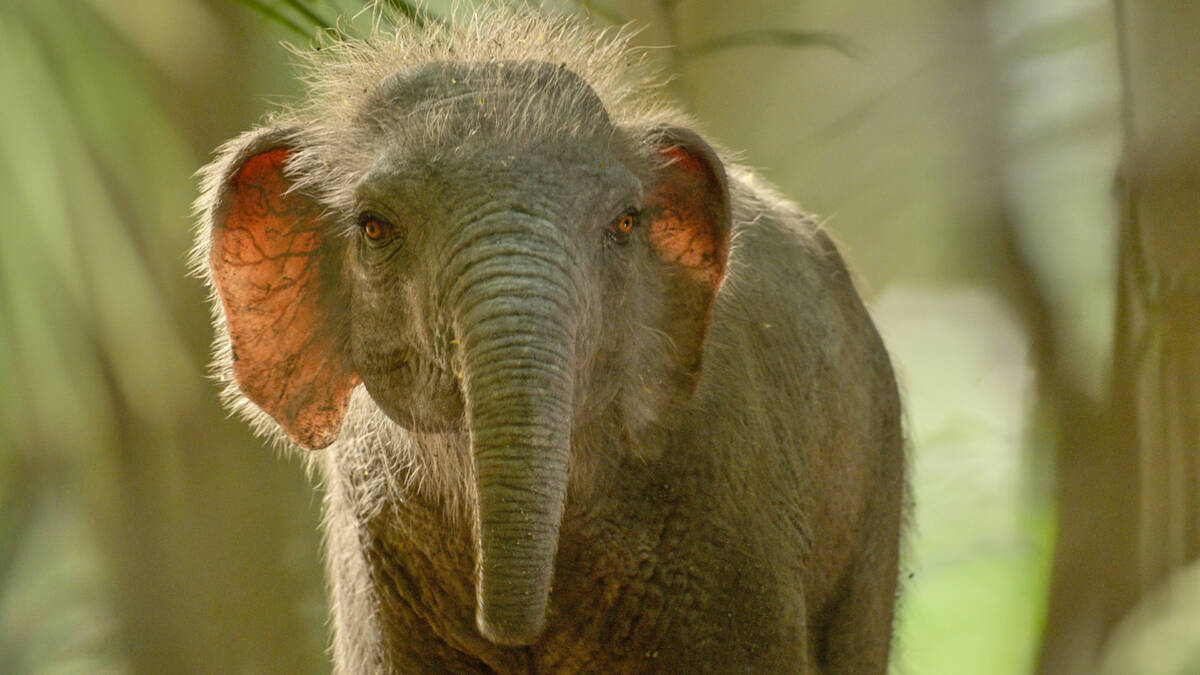
One of the cutest creatures is a dwarf Stegodon, which resembled a 3-foot elephant. The filmmakers added its baby, standing just 12 inches, and we meet him playing with a butterfly.
“A swishing trunk and tail means a Stegodon wants to play,” Hiddleston says. But the little guy gets into trouble when a gang of 6-foot giant storks come hunting. Mom, thankfully, comes to the rescue. “In a world where birds can eat elephants, you should never stray too far from Mother,” Hiddleston concludes.
“Prehistoric Planet: Ice Age” tells little vignettes for each animal, showing how they hunt or mate, travel and play. Gunton says he’s not interested in making an endless loop of predators chasing prey. He’d rather show how a pregnant woolly mammoth lost in a blizzard can be protected by her herd.
“I think that audiences are more engaged in the complexity of relationships and what animals do and how they behave with each other,” he says. “The voyeuristic kill doesn’t interest me particularly, and I don’t think it interests most of the audience.”