Feel the Beat in the Heat

Cross summer desert heat with cool island beats and so is born ...
Lots and lots of happy feet.
“I like seeing people grab their friend and run onto a dance floor — that doesn’t happen when you go to a rock show,” says Chris Parkhurst, keyboardist for Hawaiian-flavored, Las Vegas-based reggae group HaleAmanO, one of numerous acts booked for Saturday’s eight-hour, ninth annual Reggae in the Desert festival.
“You think of Las Vegas as this high-paced nightlife, but there are still people who don’t want to go out and hear 180 beats per minute, like at the clubs. There are people who want to enjoy their time and their friends and their drinks.”
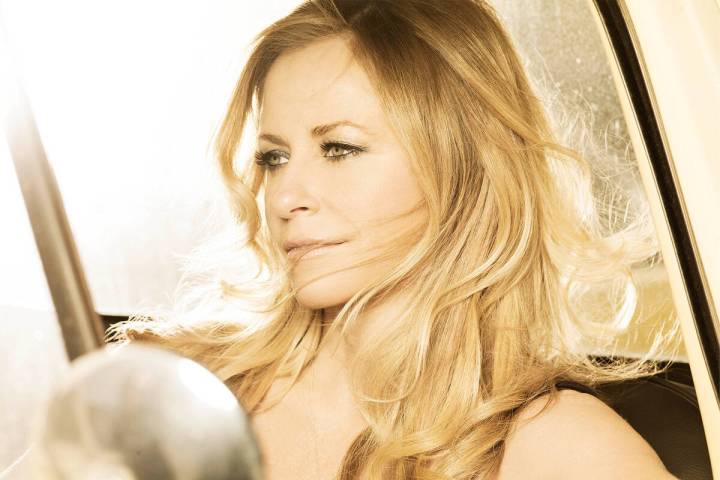
Aiming to wrap the town in soothing aural breezes — while turning up the burner on hot reggae rhythms — this year’s mega-concert at the Clark County Government Center Amphitheater also brings to the stage such acts as star duo Sly and Robbie, “mellow canary” Barrington Levy, “Queen of Reggae” Marcia Griffiths, the “freestyling” Mystic Roots out of San Diego, and esteemed Jamaican artist Yellowman.
Adding authentic atmosphere to complement the music, Reggae in the Desert also includes the Caribbean Islands Vendor Village, featuring reggae-style items, exhibits, food and drink.
“I’ve paid particular attention to making sure that entertainerwise, we stay true to the roots and dance hall reggae, rather than go too commercial like the casinos do,” says producer/promoter Frederic Apcar. “Sly and Robbie, those guys are legends. Yellowman, out of all the artists I’ve ever dealt with, this guy is one of the most down-to-earth. As famous as he is popular, he gives it all he has.”
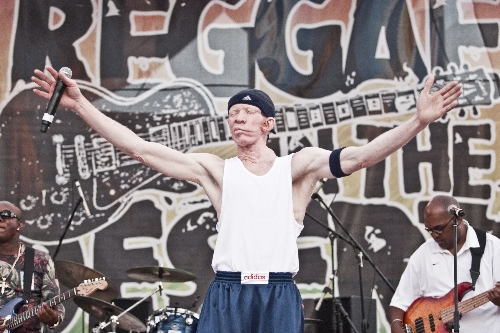
That, say reviewers, is an enormous amount. As one once wrote: “Listening to Yellowman sing is like watching Michael Jordan play basketball. He knows he’s got it, you know he’s got it, and it’s a trip just experiencing him perform.” Widely known as King Yellowman, the musician/songwriter/DJ rose to reggae royalty from a harsh upbringing.
Raised in a Catholic orphanage in Kingston, Yellowman — aka Winston Foster — was shunned as an albino. “We were discriminated (against),” says the performer in a phone call from Jamaica, recalling his affliction that eventually gave him his name, now synonymous with reggae artistry. “I was alone when I was there. I remember some of the time, I sit there myself, crying, you know? I used to be called a lot of names that I couldn’t describe right now.”
Talent propelled him past the prejudice that came with his condition. “That’s what keep me strong,” he says of his passion for the music. “The same people who discriminate (against) me, some of them come to me and they apologize. Some became friends, you know?”
Since then, Yellowman — who also beat cancer of the jaw in 1986 after he was told he had as little as three weeks to six months left to live — has both excited and upset the reggae community with song lyrics considered boastful and sexually explicit.
Enormously influential, his exciting rhythmic inventions were absorbed by America’s hip-hop community. Among his hits is perhaps the longest single-word song title in reggae:
“Zungguzungguguzungguzeng.” (Just say, “zoonga-zoonga” several times over, more or less.)
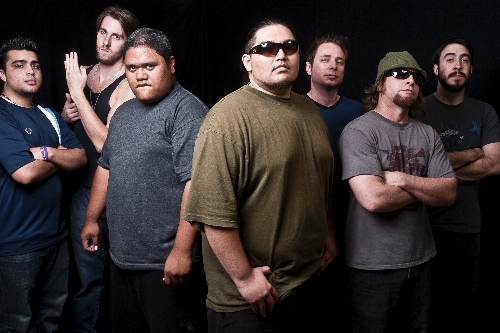
“I love listening to Yellowman,” says Hawaiian-born Ryan Fleming, guitarist/leader of HaleAmanO — which means “House of Sharks” in Hawaiian. HaleAmanO is making its Reggae in the Desert debut, after performing around town at the House of Blues, the Hard Rock Hotel, The Mirage and at the Henderson Events Plaza.
“It’s a big accomplishment to finally get a spot in this festival. When I moved here, you miss all the music from back home, so I thought we’d share it with the people of Las Vegas, because it’s a type of music that’s rarely heard. We’re soul-R&B-roots-rock-and-reggae. A lot of people from rap and rock, they all gathered at our shows and came up to me and said, ‘I don’t really like reggae, but I love your sound.’ ”
That, he says, includes performing raggamuffin, a style of Jamaican rapping, as well as the addition of a ukulele. “Jamaicans, they trip out on the ukulele being played in reggae music, like, ‘Wow, that little thing makes a big noise,’ ” Fleming says. “When Jamaicans came to Hawaii, they called it ‘Ja-waiian’ music.”
Sounds so ... breezy.
A beat to take your mind off the heat.
Contact reporter Steve Bornfeld at sbornfeld@ reviewjournal.com or 702-383-0256.
Preview
“Reggae in the Desert”
2 to 10 p.m. Saturday
Clark County Government Center Amphitheater, 500 S. Grand Central Parkway
$25 in advance, $30 on Saturday; free for children 5 and under (800-745-3000; www.reggaeinthedesert.com)

 Add as a preferred source on Google