
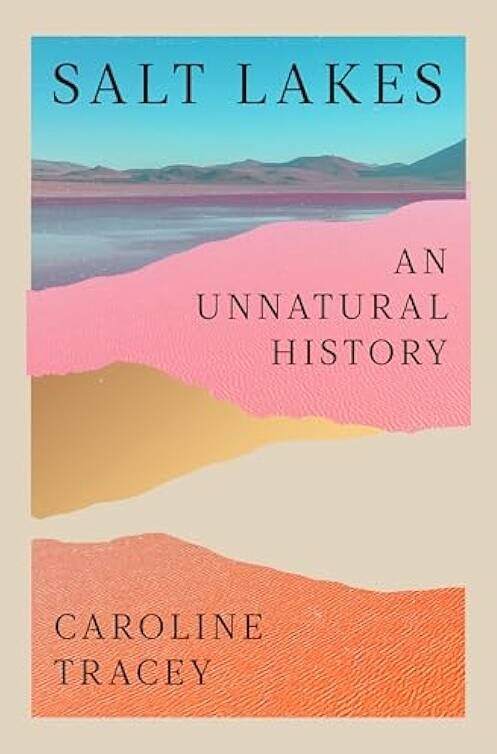
Debut ‘Salt Lakes: An Unnatural History’ dives into the West and beyond


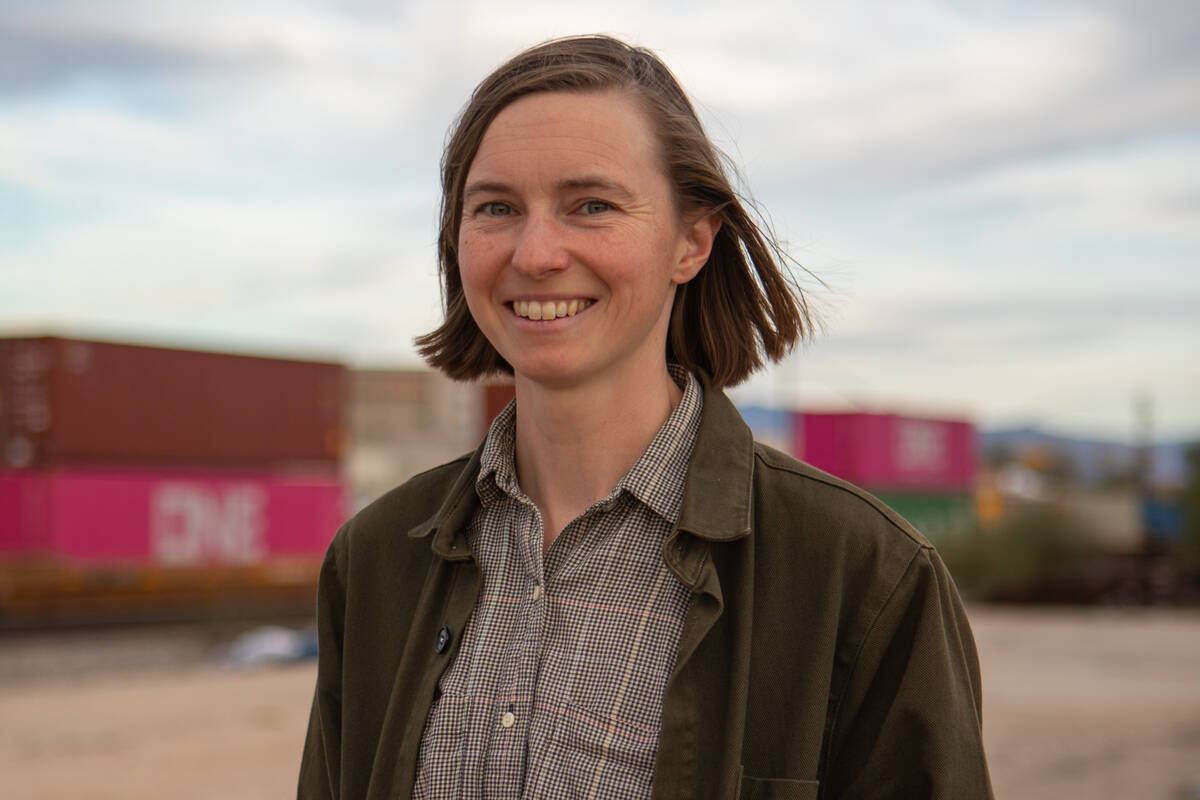
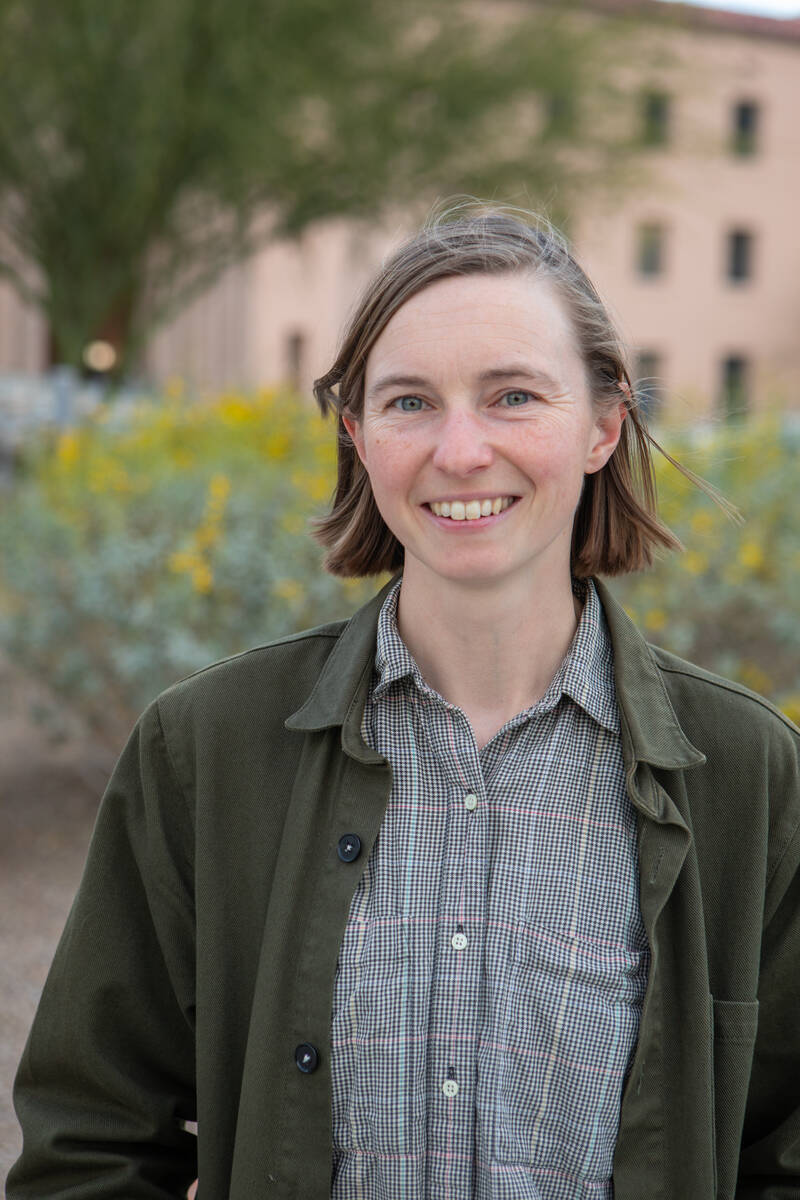
Caroline Tracey holds a doctorate in geography from the University of California, Berkeley. Originally from Colorado, she divides her time between Tucson, Arizona, and Mexico City. Her new book, “Salt Lakes: An Unnatural History,” debuted March 17 from W.W. Norton & Company.
Here, in her own words, are five questions with Caroline Tracey:
Neon: What inspired you to write this book?
Caroline Tracey: During my early 20s, I started going on road trips around eastern California and Nevada. I had grown up in Colorado, and I was surprised to learn how different the Great Basin was from the Intermountain West. I was captivated by the striking beauty of salt lakes — their bright, reflective blue water and its contrast to the desert surroundings — and simultaneously swept up in a sense of urgency to save them, once I learned that nearly all of them were shrinking. I was also interested in nonfiction writing of all genres: the personal essay, environmental journalism, criticism and research. So the book came together as I developed both as a person and a writer.
What is your connection to Nevada, if any, and the book’s connection to Nevada?
The Great Basin is the emotional center of the book! Though there’s only one chapter that takes place in Nevada — at Walker Lake — the Basin and Range geography gives Nevada a salt lake, whether “perennial” (permanent), seasonal, or ephemeral, in practically every one of its many valleys. A big part of the journey of researching the book was simply wrapping my head around the geology that made these lakes and their ecosystems. So I hope that Nevadans will find that it conjures the landscape around them and has some explanatory power with regard to it.
What is the biggest takeaway from this book?
For most audiences, I say that my goal isn’t to make readers obsessed with salt lakes — that was my thing! — but to show them a method for finding an overlooked aspect of their natural surroundings that they can learn about and find inspiration from. For readers in Nevada, though, I would say, feel free to get obsessed with salt lakes! The lakes’ unique ecosystems are all over the state. They are often seen as barren, sterile wastelands, and I want to help people push through that first-glance assumption and start to see the environment around them more deeply.
What is the most surprising thing you learned while researching or writing this book?
The book started from a surprise — I kept crossing paths with salt lakes. This continued throughout the process: I married a woman whose father had been a civil engineer working on a project to drain the lake upon which Mexico City is built. In the last chapter, I found myself magnetically drawn to an abstract painting that turned out to be a representation of an ephemeral salt lake in Australia. But one of the more tangible surprising things I learned was that the decline of salt lakes has a major impact on sea-level rises. When the water from the rivers that feed salt lakes is diverted to agricultural fields, much more of it evaporates than would were the rivers to reach the lakes. Then, that evaporated water falls as rain in wetter parts of the world and ends up in rivers that drain to the sea. According to some scientists, this is second only to rising glaciers in terms of impact on sea-level rise.
What’s next for you?
I’ve been spending a lot of time researching sugar beets. This was a major industry across the American West from about 1900 to 1970, and they were responsible for major economic, environmental and demographic changes to the region. Sugar beets aren’t red table beets — they are white root vegetables that are about a foot long. To this day, over half of the sugar produced in the U.S. comes from them. (You don’t see it at the grocery store because it’s mainly used for processed foods.) Growing up in Colorado, I never heard about them — and only as an adult did I discover that both sides of my family came from beet-growing towns and intersected with the industry in various ways. It’s fascinating to me that there could be such a major industry that disappears to the point that people haven’t even heard of the commodity.

 Add as a preferred source on Google