Stage Door, marking 50 years, is the entry to vintage Vegas hospitality


The place was originally called Moe’s, long before a tavern of the same name was featured in “The Simpsons.” Randy Markin’s family soon changed it to the Stage Door.
Similar to the bar itself, the inspiration for that name is steeped in Las Vegas history.
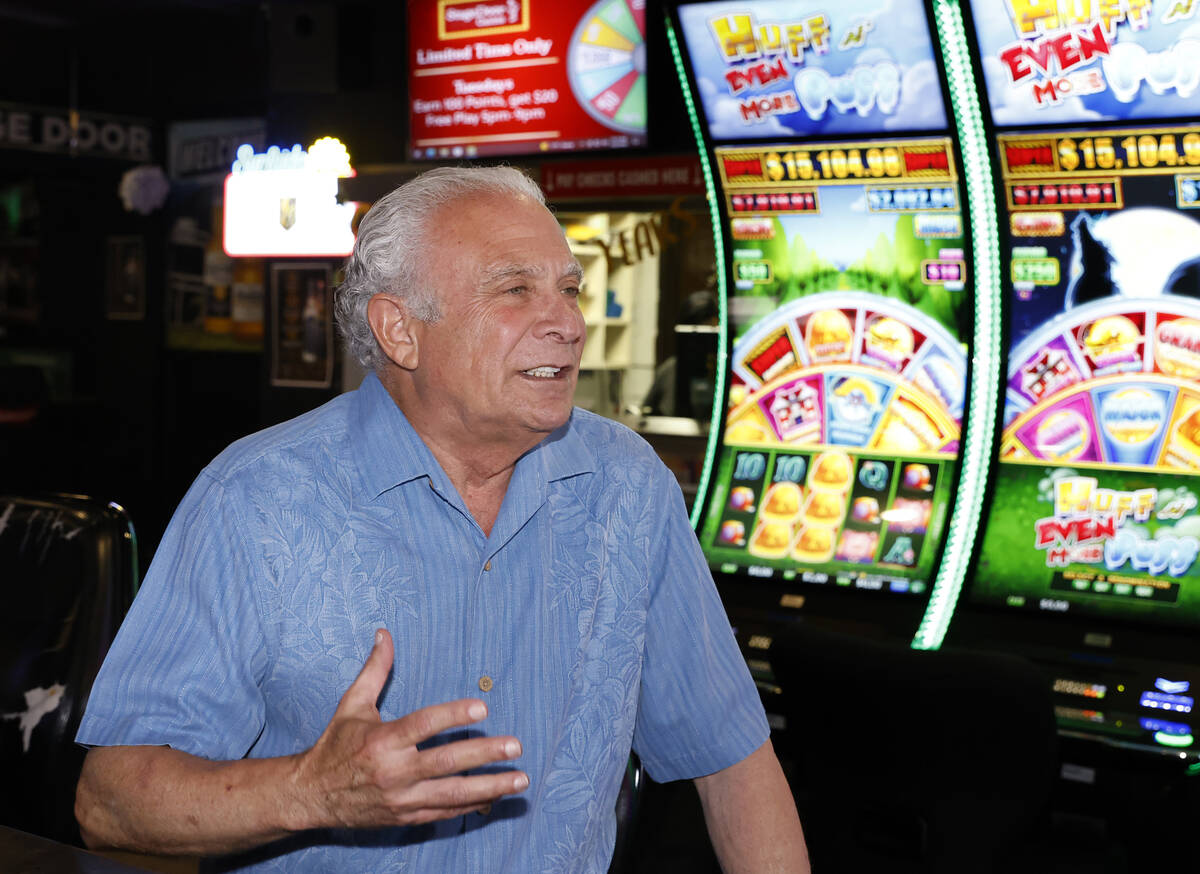
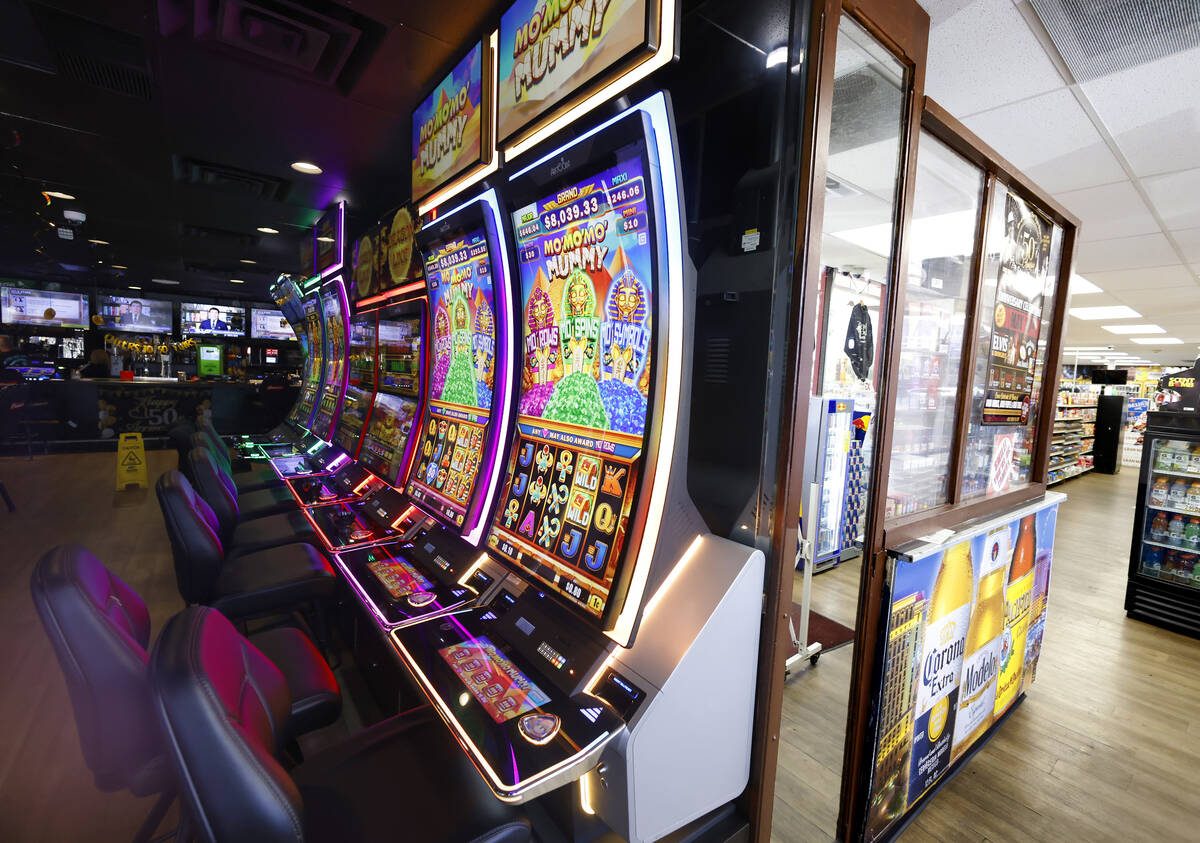
“We named it Stage Door because MGM Grand was coming in across the street, and this would be the Stage Door to the old MGM,” Markin says as he takes a bar stool at a line of video poker machines. “At that time, this place was a construction bar, for workers doing stuff up and down the Strip.”
The MGM Grand that Markin refers to is today known as the Horseshoe Las Vegas and for decades prior was called Bally’s. The Stage Door Casino has withstood all of those ownership and title shifts on its spot on Flamingo Road, just a few strides from the Strip.
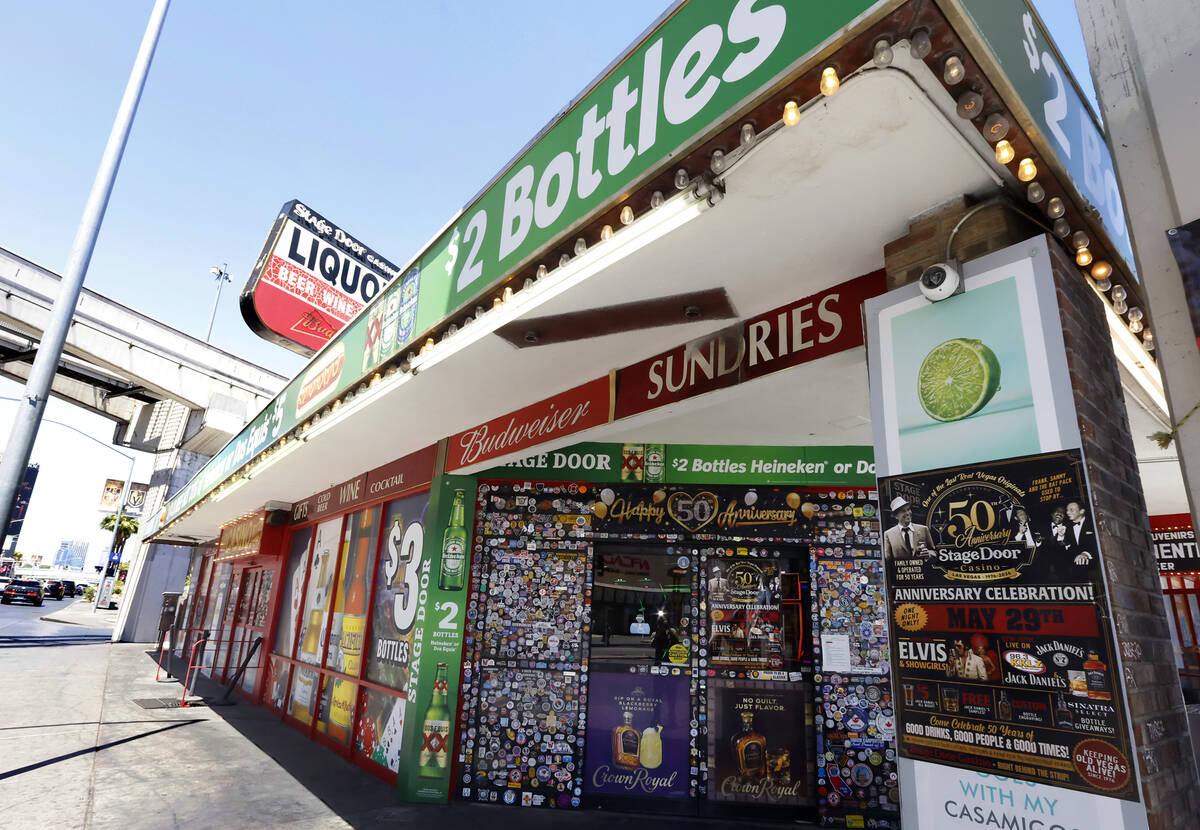
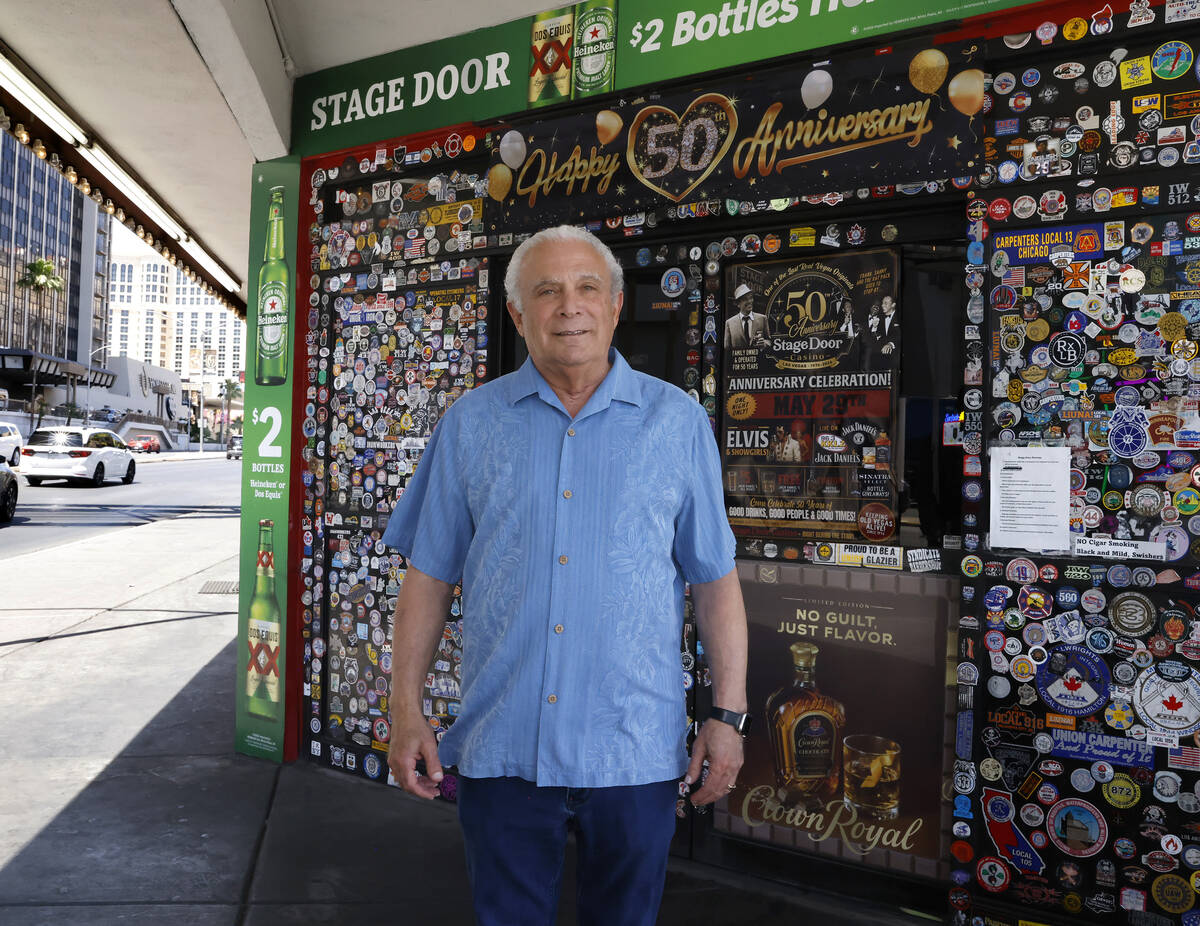
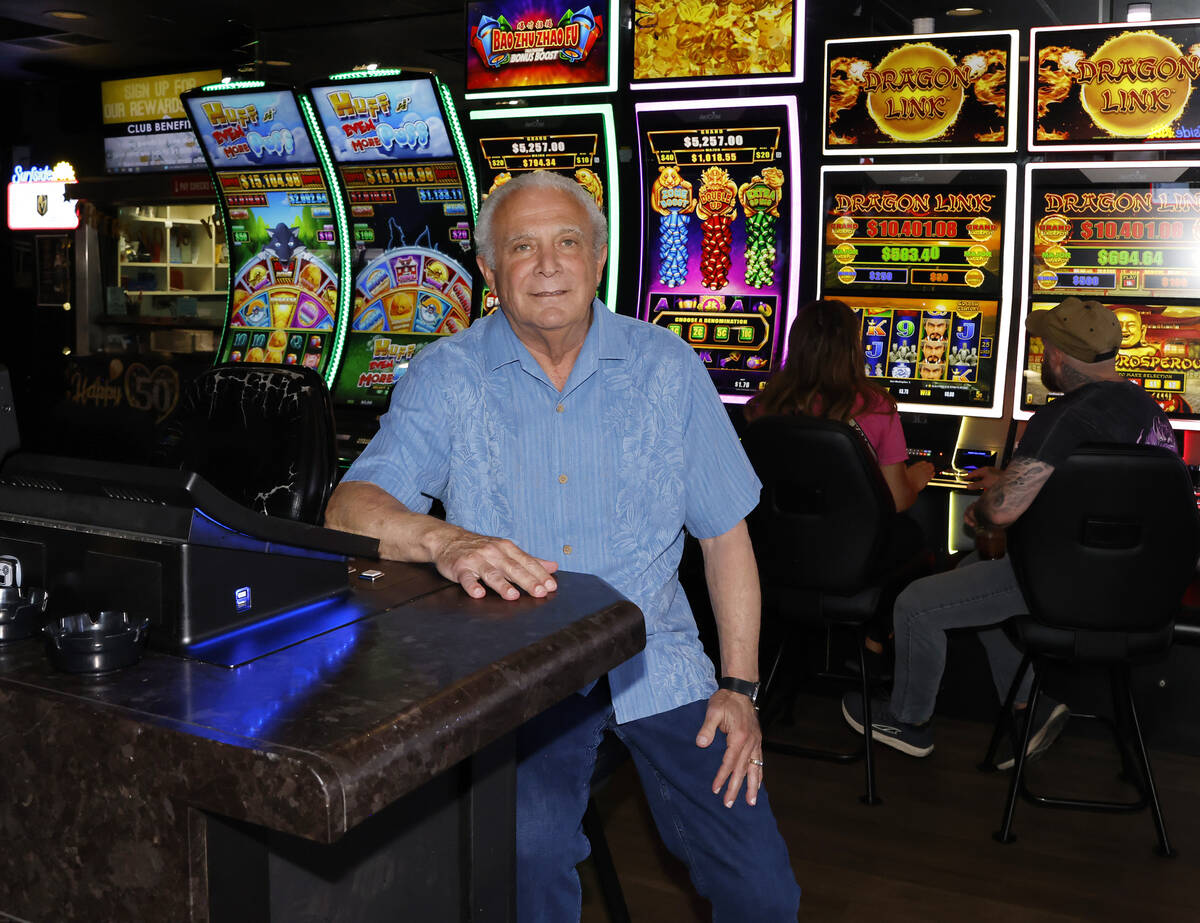
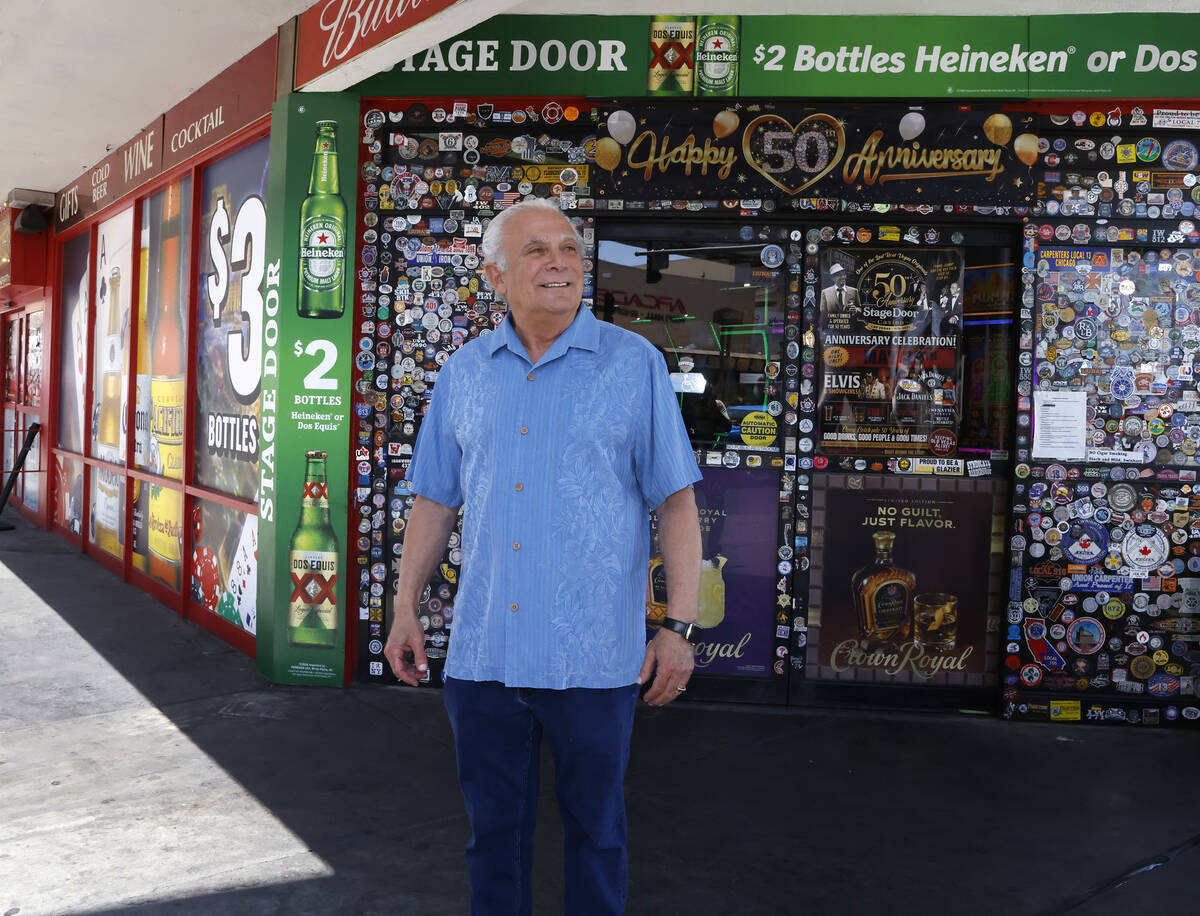
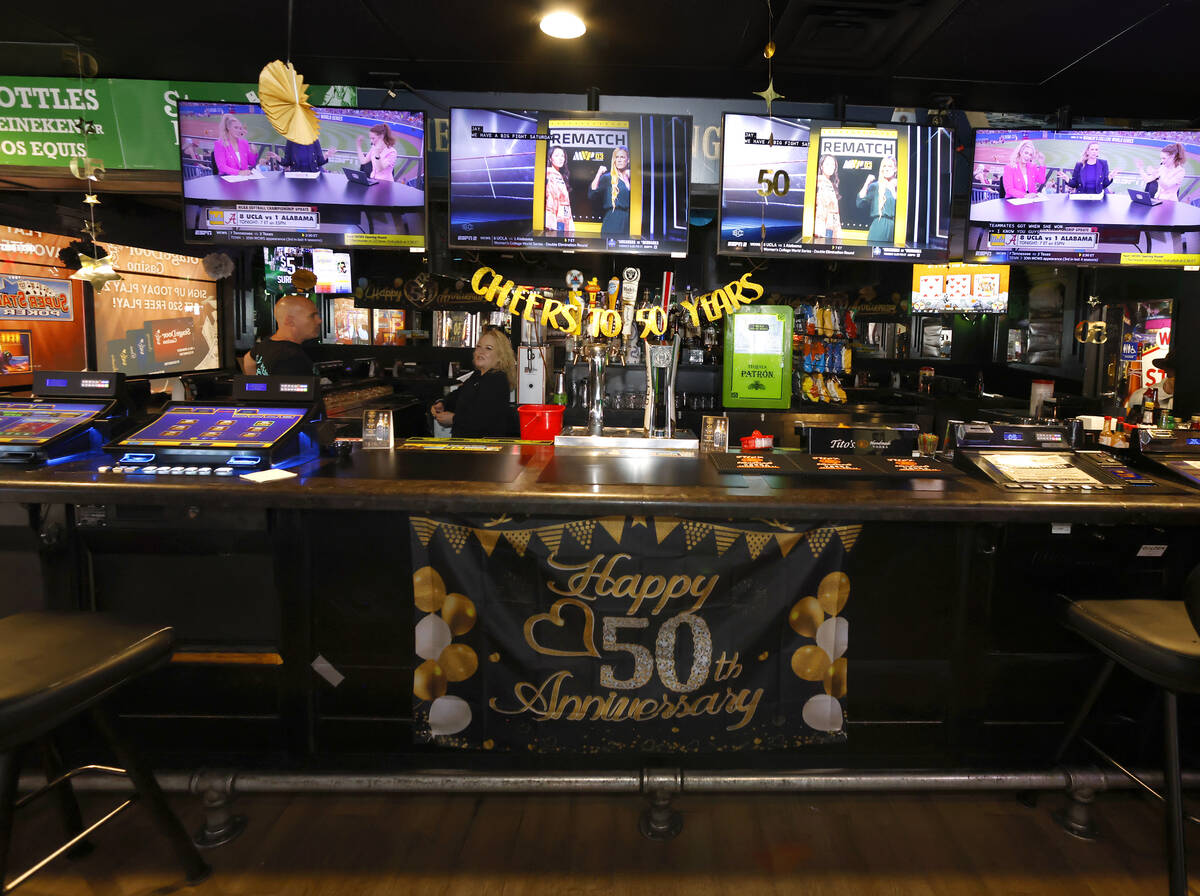
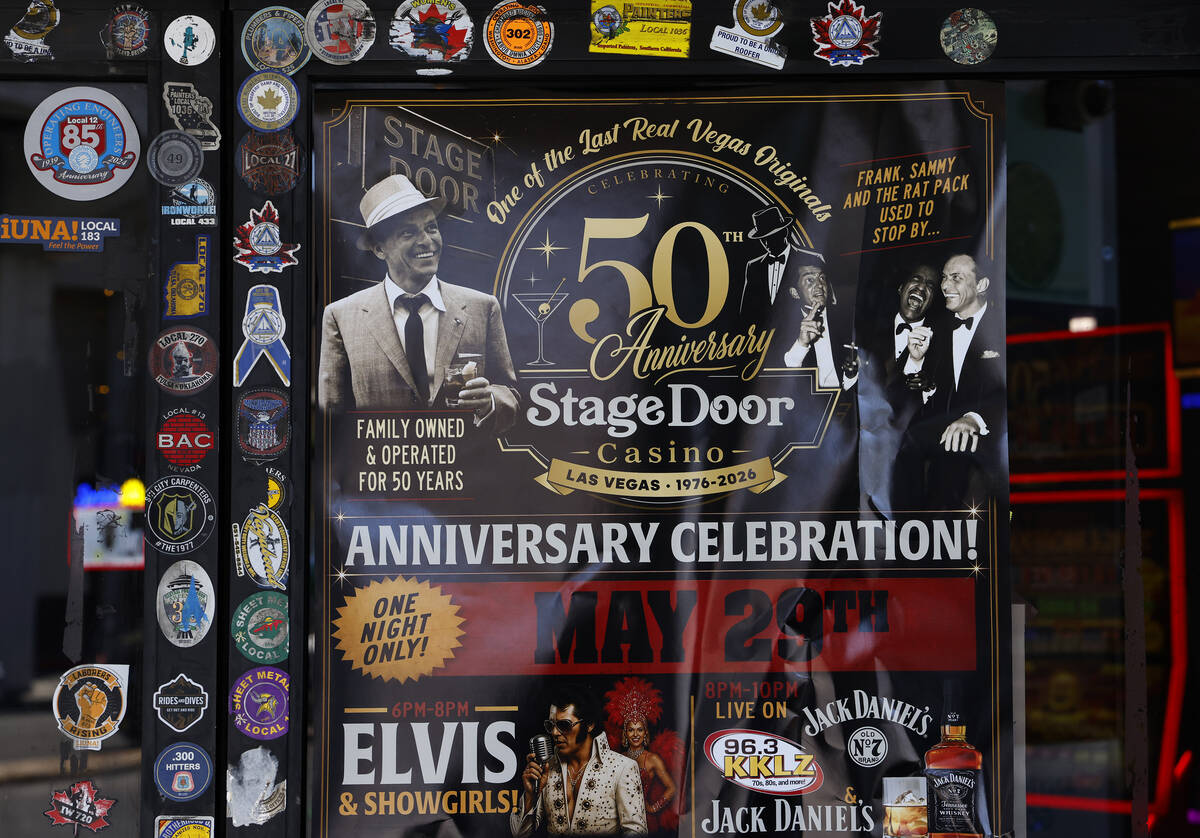
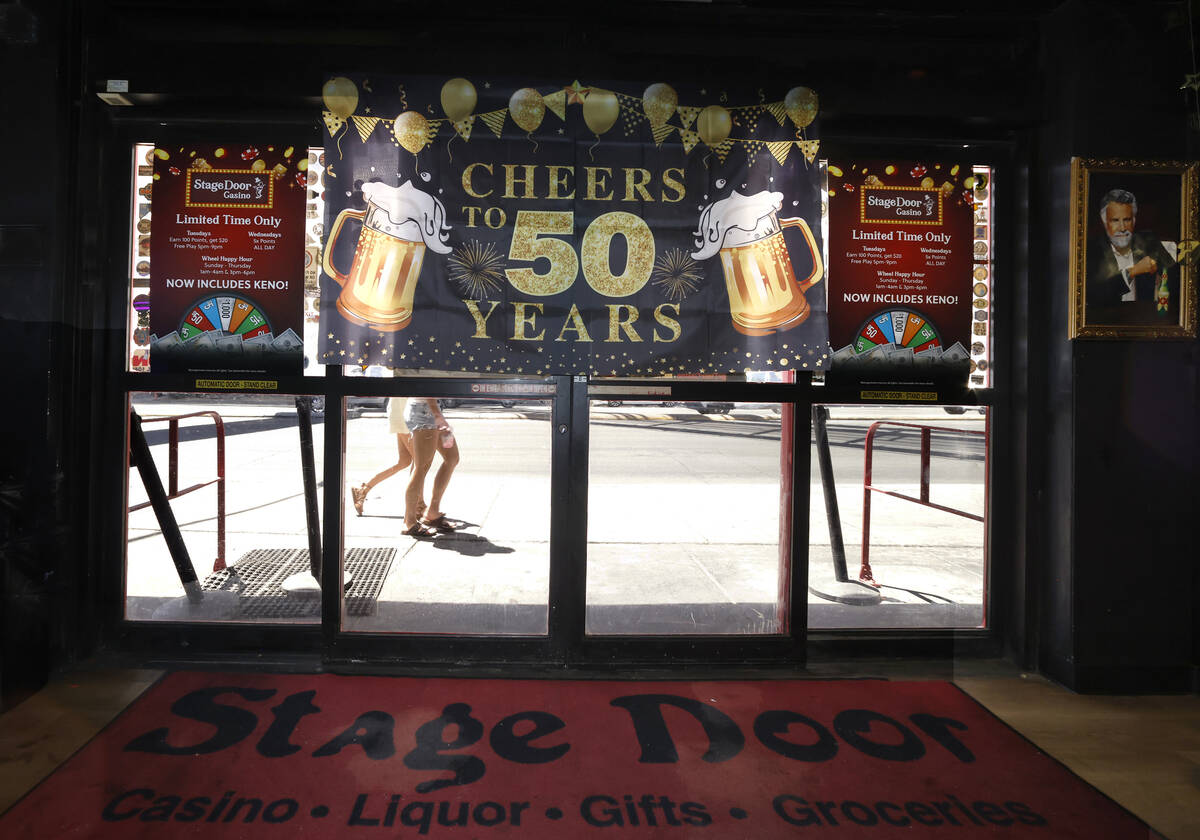
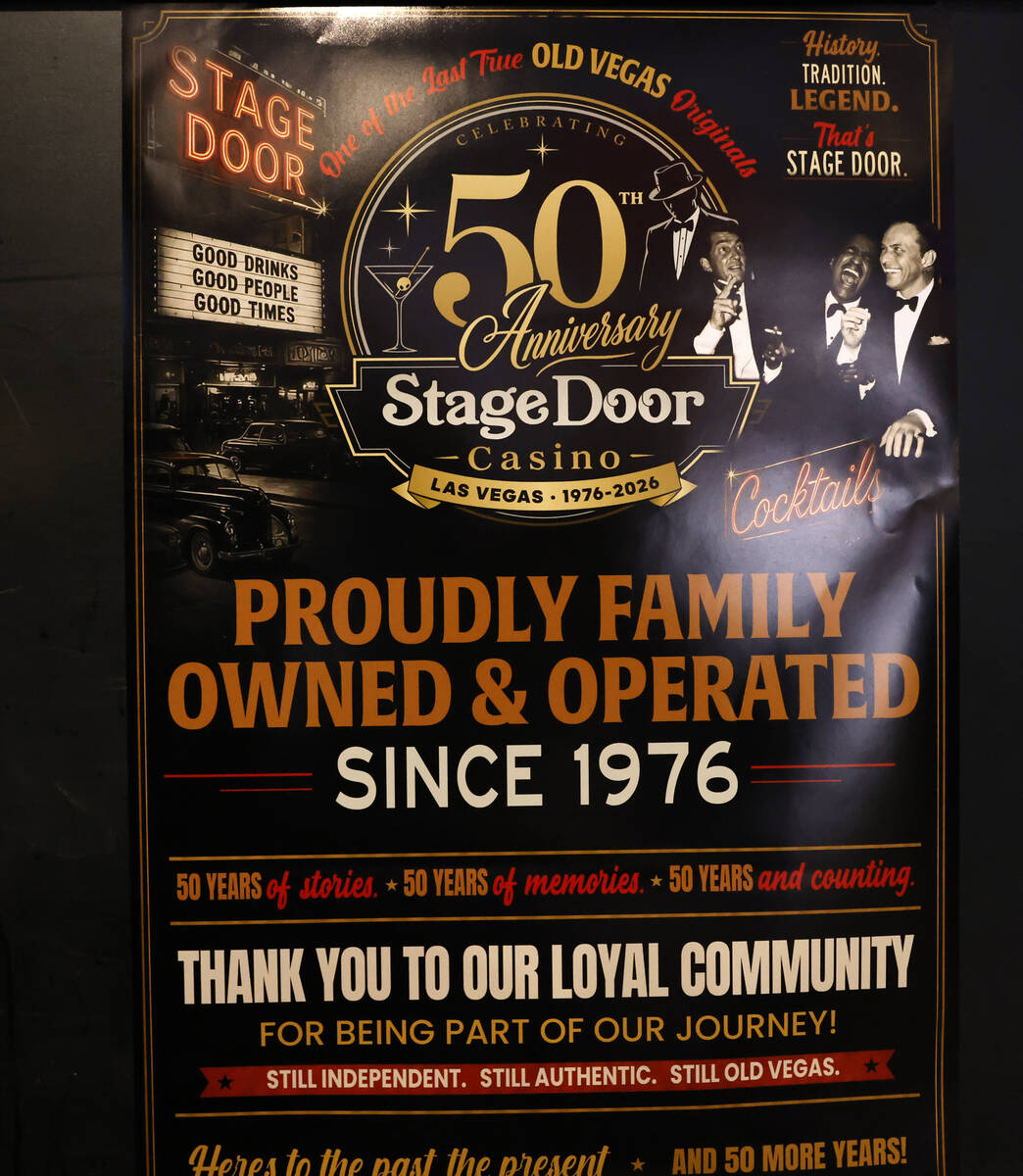
Owned by the Markin family with the 71-year-old Randy Markin as manager, the Stage Door and the connected Stage Door Liquor are celebrating their 50th anniversary this year. The formal date was May 15. Markin also owns Battista’s Hole in the Wall, an Italian restaurant.
The iconic businesses are pieces of Las Vegas authenticity that have been spared expansion and evolution along the Strip.
“When we started here, the Flamingo stopped at the Strip,” Markin says. “There was the bar, the restaurant, a drugstore and at the end a strip club. I’m 21 years old at the time. My dad, who is living in California, says, ‘I have a chance to get a sweet deal for a bar over there. Do you want to run it?’ ”
The restaurant was Battista’s, a small eatery in those days, hence its “hole in the wall” handle.
‘You’ll figure it out’
Markin’s father, Ron, had owned the Bonanza Hotel, which occupied the original MGM Grand site from 1967 to 1973. He sold the property to make way for the MGM.
The elder Markin had also owned the gift shops at the Tropicana. He knew hospitality. The younger Markin didn’t.
“My dad said, ‘You’ll figure it out,’ ” Markin says. “That’s how I came here, at 21.”
Markin has an old-school way of recounting history. He blissfully talks of being 5 years old and learning the Vegas meaning of “86’d,” a story couched in an Old Vegas transaction.
“I’m putting stuff away at the gift shop, and keep in mind I sometimes worked 12 hours a day. A guy with a mustache walks in (bends nose with his finger). He’s like 5 feet tall, he’s got a 6-foot tall blonde with him, big mink stole,” Markin says. “He says, ‘Ronnie, give me that diamond ring. I’ll pay you tomorrow.’ My dad always told me to watch for thieves. But he reaches into the counter, hands him the diamond ring, and the guy goes to leave. I go, ‘Dad!’ because I thought he was stealing.”
Dad told Randy, “Don’t say anything.”
“The guy comes back, the next day, with the same girl, and starts throwing Cecils on the counter,” says Markin, employing the Mob’s slang for $100 bills. “He’s just paying it all up. That’s the way they did it.”
As the sale was completed, Markin recalls his dad asking his guest, “ ‘Hey, what happened to so-and-so? I haven’t seen him in a while,’ and the guy goes, ‘He was 86’d,’ and I go, ‘Hey, what does that mean?’ My dad looks at me like, ‘Shut up, kid.’
“That’s when I learned, eight miles out of town, six feet under, and it rolled into getting thrown out of a bar,” Markin says. “Imagine learning that, as a kid. I learned a lot in just that one transaction.”
Markin’s family has owned the Gold Rush Casino in Henderson, now the Wildfire, and Magic Star Casino on Boulder Highway, selling both to Station Casinos in 2004.
They also co-owned Bali Hai Hotel on the Strip, on the backside of Desert Inn when Howard Hughes had taken up residency at the D.I.
When Hughes moved to the resort in 1969, Ron Markin told his son to get a large piece of plywood and find a groundskeeper. He instructed, “I want you to paint, ‘Future Site of High Rise Condominiums,’ put it right out in front and aim it up to the top two floors of the Desert Inn.’ ”
Hughes would see the sign and act immediately. He didn’t move into the D.I. to endure a potentially massive construction project in his new neighborhood. At 9 a.m. the next day, Bob Maheu, Hughes’ business partner and right-hand man, was in Markin’s office.
“We had a deal by 10 o’clock,” Markin says. “We had to be gone by noon. He paid three times what it was worth.”
‘These people understand value’
What does this on-the-job training have to do with how Markin does business today? Only everything.
“I’ve worked up slot deals on a handshake,” Markin says. “I’ve made slot deals I’ve never signed.”
The owner has formed what he describes as a familial bond with his staff. When Battista’s and Stage Door were dark for six months from last June through November, to replace air-conditioning units. Markin held together a 65-employee team through the shutdown. Only a pair of bussers left the company.
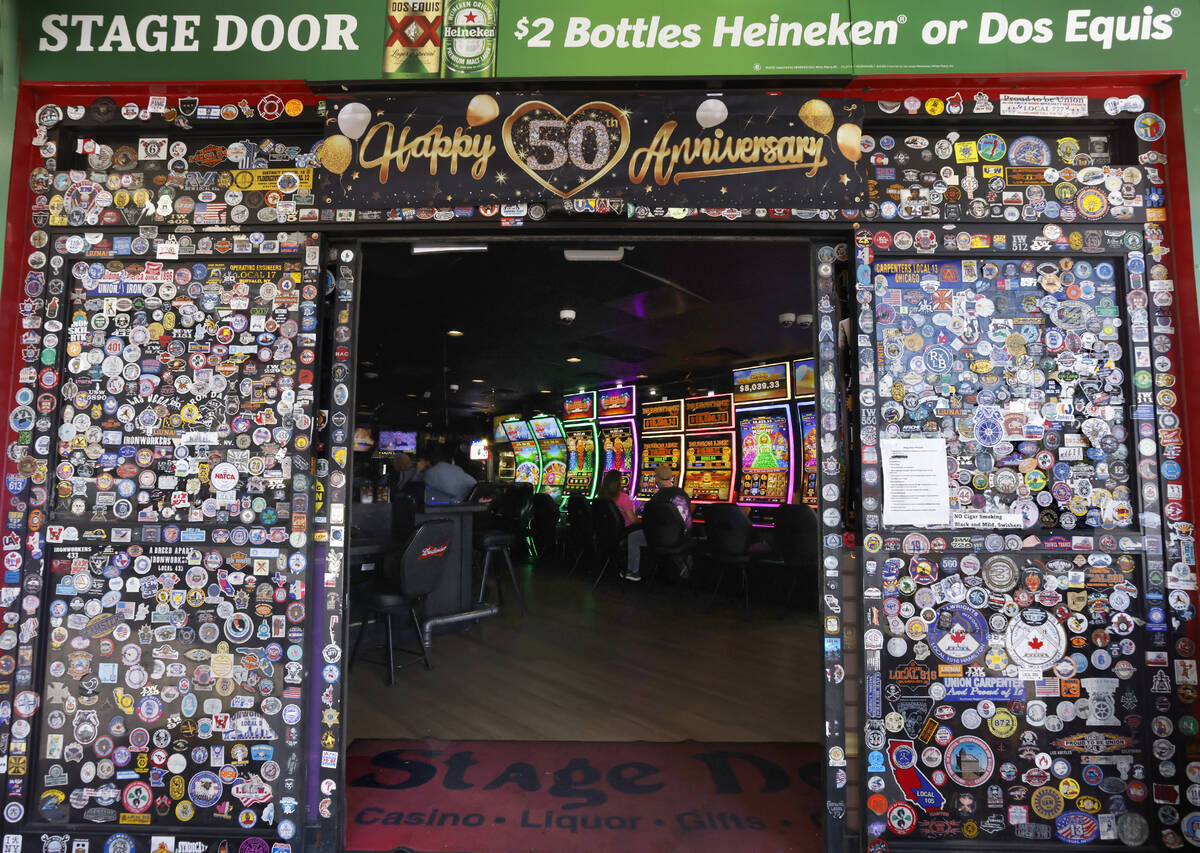
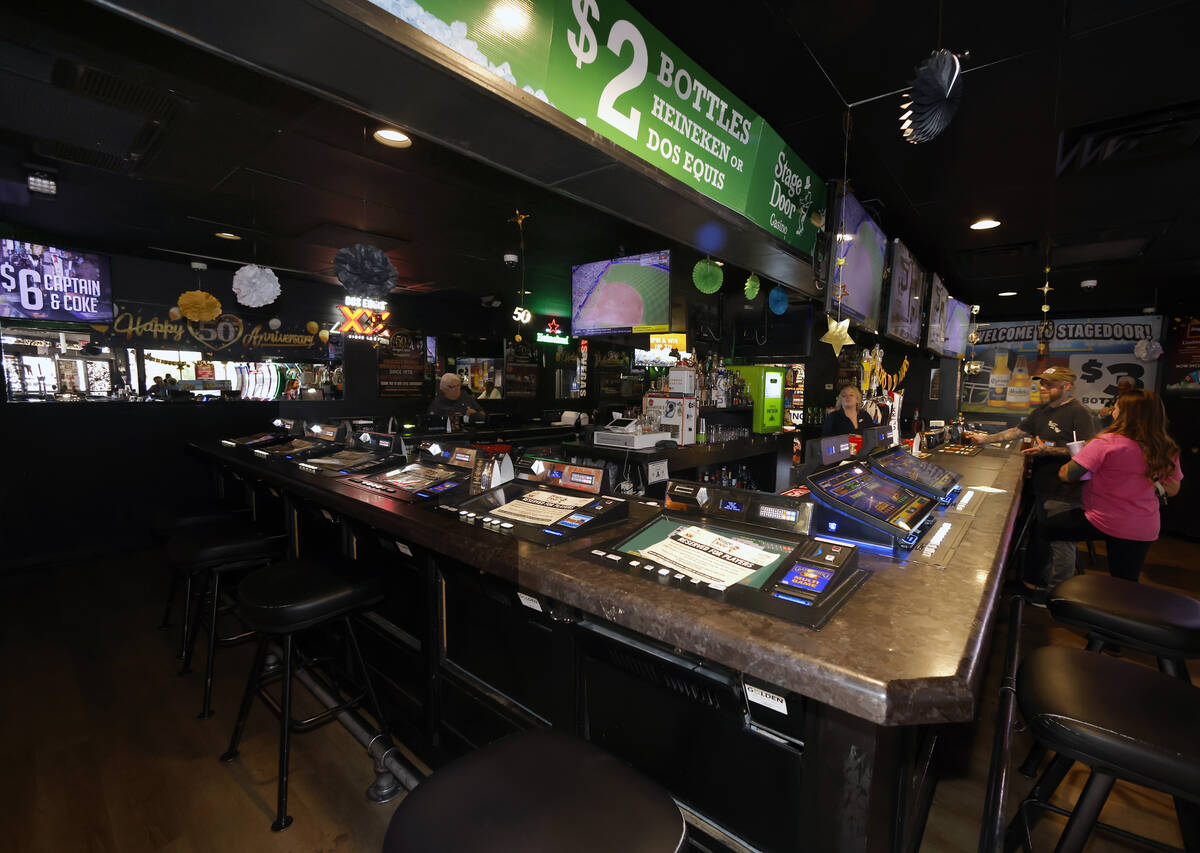
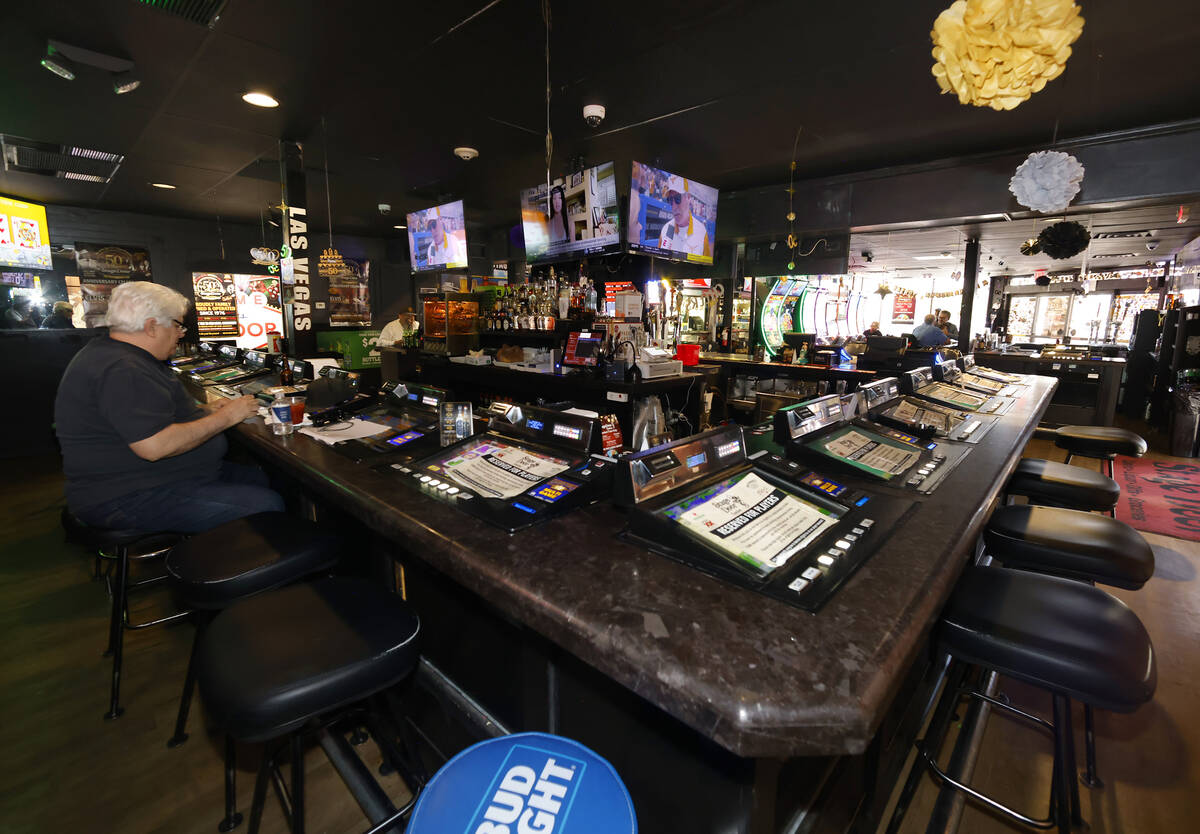
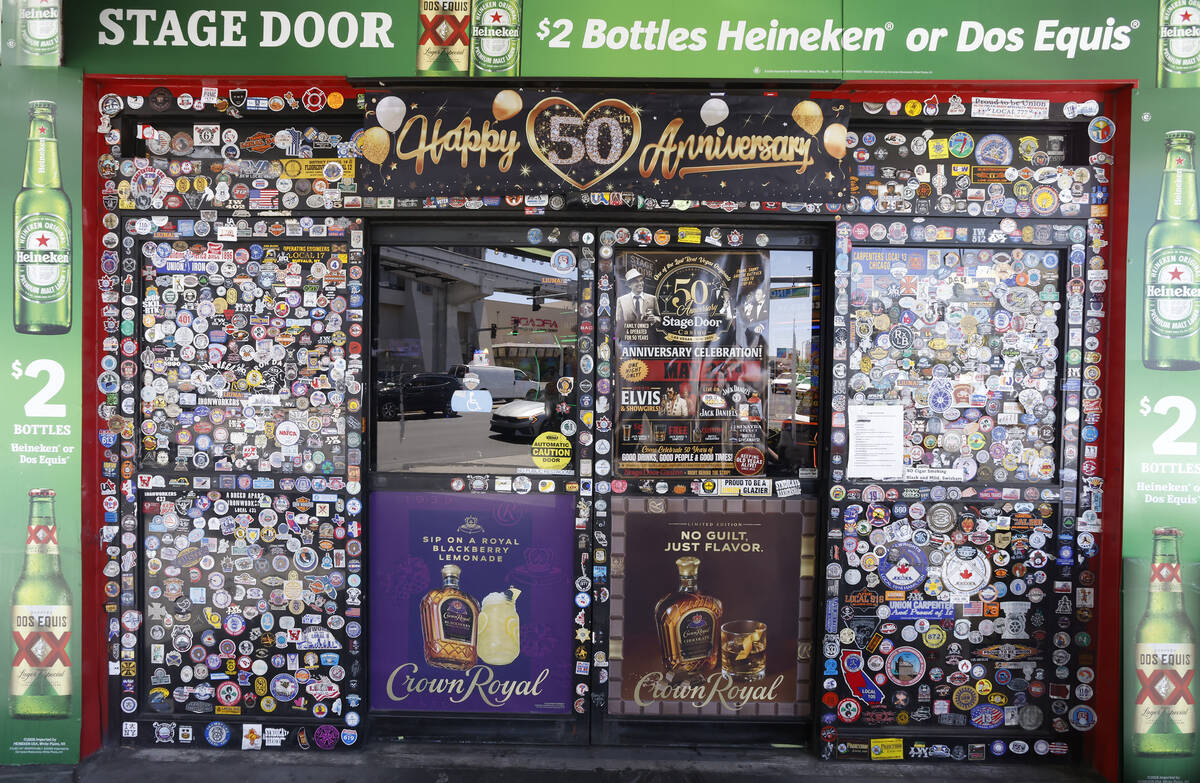
Markin’s bar exudes authenticity: its floors are wood, and the place is “divey” enough to fit that description but clean enough to welcome tourists and locals. Hundreds of union stickers greet customers at the entrance. These are Markin’s people.
“We get customers from all over the country,” Markin says. “These are hardworking people, and these people understand value.”
You can get a Captain and Coke for $6, a bottle of Heineken or Dos Equis for $2. With these deals, the Stage Door Casino runs its own marketing engine.
“When you go across the street and you’ve gotta pay $18 for a Budweiser, and you come in here and get a beer for a couple of bucks,” Markin says, grinning, “you don’t really have to advertise.”
John Katsilometes’ column runs daily in the A section. Contact him at jkatsilometes@reviewjournal.com. Follow @johnnykatson X, @JohnnyKats1 on Instagram.

 Add as a preferred source on Google